Feedback Summary Part B Professional Portfolio SOWK 14009
October 28, 2012
Feedback Summary Part B Professional Portfolio SOWK 14009
Throughout the placement I have received feedback about my practice and my reflection of my practice, from various sources, university lecturers, organisational workers, and other professionals with whom I collaborated with as part of my capstone project, peers, foster carers and clients.
Initially, at the beginning of my placement it was evident from feedback that I received about my journaling that I was not using critical reflection on my practice; I was reflecting upon what had taken place, observations, the use of self but was not reflecting on meanings, as was noted ‘where was I in this’, although I could ‘join the dots’ with the theoretical and legislative elements of practice, I was not communicating how I could of done things differently and the impacts that my practice could or did have upon the service users. The use of attachment theory and developing skills to facilitate attachment in parent child relationships is an area that I recognise I need to be far more knowledgeable in. This was also suggested by the course lecturer Shirley Ledger, when I discussed the practice of observing family interactions and having the child come to myself for attention, security and someone to ‘play’ with instead of their parents. During the placement I was given the opportunity to engage in professional development training in attachment which assisted in my knowledge, and I was also given literature on the circle of security programme which assists families in strengthening their attachments and developing appropriate relationships. However there is still a lot I have yet to learn about attachment and if I am able to practice as a social worker with children and families I will need to develop more knowledge in this area. I would also need to become more familiar with human development theory, when I first started this placement and was confronted by so many babies and toddlers, I had very limited knowledge of them, what their needs where and how they should be met, what developmental stages they were at or should of been at given their age etc, this may be something that most people know through their interactions with siblings, their own children etc. but not having had children or known people with young children I was very aware of my lack of knowledge. The first day I was asked was ‘I good with newborns’, I had a moment of panic, then used the resources that I had to find out what I needed, i.e. contact people in my professional network, that were very familiar with babies and could give me advice and literature on what I needed to know. I have attended training sessions about the effects of trauma on child brain development and subsequent implications on behaviours, this has assisted in my knowledge of developmental theory, I still have much to learn. As my time with this organisation has progressed so have the relationships I have been able to build with the clients and their families, utilising the core values of social work to enable me to practice in what is a confronting situation this is evident from my journaling and is commented on by course coordinator Shirley Ledger in feed back about my sixth journal entry;
Your journal reflects empathy, compassion, wisdom and the values of social justice and professional integrity. I am quite moved by your experience with this family and congratulate you on upholding your professional values in a situation that that presses many personal values buttons. The fact this family identified your presence as the only positive experience out of their time with the department - is significant. It is apparent you dignified them and considered a child centered, family focussed framework to meet the child's needs of belonging, relationships and identity. (Shirley Ledger, SOWK14009 2012)
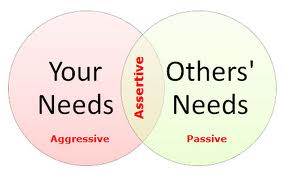
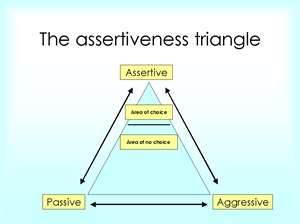
Workers at the organisation have made a number of comments about my practice; they have commented that I have strength in my skills in writing case notes; being able to find positive aspects and interactions within family contacts, as well as documenting all that has occurred. From feedback about my capstone proposal it is evident that I did not fully articulate the theoretical influences that would be informing my project. Feedback received from other professionals that I collaborated with as part of the capstone project was that I am able to communicate effectively with young teenagers in a manner that does not add to the oppressive negativity that is currently impacting upon their lives. For my own professional development I will continue to learn more skills and actively seek out training opportunities, there are a number of course that I will be embarking upon in the near future, including continuing to develop assertive communication skills. My current social work supervisor has suggested that I seek out learning from Ken Warren at ‘Positive People Solutions’, as he hosts a number of training opportunities assisting workers in developing communication confidence, stress management, and ways of ‘producing better outcomes with difficult clients’. This is to assist in me gaining confidence in my communication skills, something that I have always struggled with and although greatly improved over the duration of this degree, I still have a long road to travel.
Posted by Lindsey James. Posted In : course assessments